Tag Archives: Injection Molding Michigan

Crafting an Effective Sourcing Strategy for Thermoforming

Thermoforming is a versatile and cost-effective manufacturing process for producing plastic parts. Developing a strong sourcing strategy for thermoforming can help you optimize costs, maintain quality, and ensure a reliable supply chain. This comprehensive guide will walk you through the key steps in creating a robust sourcing strategy for your thermoforming needs.

1. Define Your Product Requirements

Start by clearly outlining your product specifications:

  • Material type and grade: Consider not just the polymer type (e.g., PETG, PS, PP), but also specific grades, additives, and color requirements.

  • Part dimensions and tolerances: Specify critical dimensions, wall thickness variations, and allowable tolerances.

  • Surface finish requirements: Define texture, gloss level, and any decorative elements needed.

  • Production volumes: Outline annual volume needs, including any seasonal fluctuations.

  • Intended use and environmental factors: Consider factors like food contact, UV resistance, or chemical compatibility.

Example: A food packaging manufacturer requiring clear PETG trays with a specific oxygen transmission rate, suitable for high-speed form-fill-seal lines.

2. Research Potential Suppliers

Look for suppliers with expertise in thermoforming:

  • Use industry associations and directories: Explore resources like the Society of Plastics Engineers (SPE) Thermoforming Division.

  • Attend packaging and plastics trade shows: Visit events like Pack Expo or Thermoforming Conference & Exhibition.

  • Leverage online platforms and forums: Utilize B2B platforms like ThomasNet or industry-specific forums.

  • Seek recommendations from industry contacts: Tap into your network for referrals and experiences.

Pro tip: Create a initial list of at least 10-15 potential suppliers to ensure a comprehensive evaluation.

3. Assess Supplier Capabilities

When evaluating potential thermoforming suppliers, consider:

  • Equipment capabilities: Assess forming area, maximum draw depth, and pressure or vacuum forming capabilities.

  • In-house tooling and design capabilities: Evaluate their ability to design and manufacture molds in-house.

  • Post-forming operations: Check for capabilities in trimming, drilling, assembly, and decorating.

  • Quality control measures: Inquire about in-line inspection systems, material testing, and quality certifications.

  • Production capacity and lead times: Ensure they can meet your volume requirements and delivery schedules.

Example: A medical device company chose a supplier with cleanroom thermoforming capabilities and ISO 13485 certification, despite higher costs, to ensure compliance with stringent quality requirements.

4. Request Detailed Quotes

Prepare a comprehensive Request for Quotation (RFQ) including:

  • Detailed product specifications: Provide 3D CAD files, 2D drawings with critical dimensions, and material specifications.

  • Expected production volumes: Include current needs and projected growth over 2-3 years.

  • Quality requirements: Specify critical-to-quality (CTQ) characteristics and acceptable quality levels (AQL).

  • Delivery expectations: Outline your inventory management strategy (e.g., kanban, consignment inventory).

  • Any special packaging or handling needs: Specify any unique requirements for storage or transportation.

Best practice: Include a non-disclosure agreement (NDA) to protect your intellectual property when sharing designs.

5. Evaluate Material Sourcing

Consider suppliers’ approach to material sourcing:

  • Relationships with resin suppliers: Assess their buying power and ability to secure competitive material pricing.

  • Specialty material sourcing: Verify their capability to source or work with specialty materials like high-performance plastics or custom color matches.

  • Material recommendations: Look for suppliers who proactively suggest material alternatives to optimize cost and performance.

  • Inventory management: Understand their approach to material inventory to ensure consistent supply.

Insight: Some advanced thermoformers are partnering directly with resin manufacturers to develop custom formulations for specific applications.

6. Analyze Total Cost of Ownership

Look beyond just the unit price and consider:

  • Tooling costs and amortization: Understand the initial tooling investment and how it’s amortized over production runs.

  • Shipping and logistics expenses: Factor in transportation costs, especially for large or bulky thermoformed parts.

  • Potential for volume discounts: Negotiate tiered pricing based on annual volumes.

  • Cost of quality: Consider the supplier’s reject rates, rework capabilities, and warranty policies.

  • Secondary operations: Factor in costs for additional processes like assembly or decorating.

Example: A consumer goods company found that a slightly higher piece price from a supplier offering in-house assembly ultimately lowered their total cost by eliminating the need for a separate assembly operation.

7. Assess Technical Support and Innovation

Choose suppliers who can contribute to your product development:

  • Design for manufacturability (DFM) expertise: Look for suppliers who can provide input on part design to optimize for thermoforming.

  • Prototyping capabilities: Assess their ability to produce quick turnaround prototypes for design validation.

  • Material expertise: Evaluate their knowledge of new materials and ability to recommend alternatives.

  • Process innovations: Consider suppliers investing in advanced technologies like in-mold labeling or multi-layer forming.

Example: An automotive supplier partnered with a thermoformer to develop a twin-sheet formed HVAC duct, reducing weight and assembly time compared to the previous injection molded design.

8. Implement a Balanced Sourcing Approach

Consider a mix of sourcing strategies:

  • Single source for specialized or low-volume parts: This can be beneficial for complex parts requiring significant supplier expertise.

  • Dual sourcing for critical components: Maintain relationships with multiple suppliers for high-volume or critical parts to mitigate supply chain risks.

  • Regional sourcing: Balance between local suppliers for quick-turn needs and potentially lower-cost offshore options for higher volumes.

Strategy: Aim for an 70/30 split between primary and secondary suppliers for key components to maintain leverage while fostering strong partnerships.

9. Establish Strong Supplier Relationships

Foster long-term partnerships with key suppliers:

  • Regular performance reviews: Conduct quarterly business reviews to discuss KPIs and improvement opportunities.

  • Collaborative problem-solving: Engage suppliers in addressing challenges and optimizing processes.

  • Shared continuous improvement initiatives: Work together on cost reduction projects or quality enhancements.

  • Clear communication channels: Establish points of contact for different aspects (e.g., technical, commercial, quality).

Example: Implement a supplier scorecard that tracks key performance indicators (KPIs) like quality, on-time delivery, responsiveness, and cost-saving initiatives.

10. Stay Informed and Adaptable

Keep your sourcing strategy current by:

  • Monitoring industry trends: Stay updated on new thermoforming technologies, materials, and sustainability initiatives.

  • Regularly reassessing market conditions: Keep an eye on resin pricing trends and global economic factors affecting the plastics industry.

  • Being open to new suppliers: Periodically evaluate new entrants to the market that may offer innovative capabilities.

Trend to watch: The increasing use of recycled and bio-based materials in thermoforming, driven by sustainability goals and regulatory pressures.

11. Innovative Approaches to Thermoforming Supplier Sourcing and Management

To gain a competitive edge in thermoforming sourcing, consider these unique insights and perspectives:

a) Agile Tooling Partnerships

Develop flexible relationships with tooling suppliers:

  • Modular mold design: Partner with suppliers who specialize in creating modular thermoforming molds, allowing for quick product changes and reduced tooling costs.

  • 3D printed molds: Explore suppliers utilizing additive manufacturing for rapid prototyping and low-volume production molds.

  • Tool-sharing programs: Create consortiums with non-competing companies to share costs of expensive thermoforming tools.

Example: A packaging company collaborated with a tooling supplier to develop a modular mold system, reducing new product introduction time by 40%.

b) Material Science Collaborations

Foster partnerships focused on material innovations:

  • Bio-based sheet suppliers: Work with suppliers developing sustainable thermoforming materials like PLA or PBS.

  • Nanotechnology integration: Partner with material scientists to incorporate nanotechnology into thermoformed products for enhanced properties.

  • Multi-material thermoforming: Seek suppliers experimenting with co-extrusion or laminated sheets for multi-functional parts.

Insight: Some companies are partnering with universities to develop proprietary thermoforming materials with enhanced barrier properties for food packaging.

c) Hybrid Manufacturing Approaches

Look for suppliers offering complementary processes:

  • Thermoforming + additive manufacturing: Find partners capable of combining 3D printing with thermoforming for unique geometries or integrated electronics.

  • In-mold labeling expertise: Prioritize suppliers with experience in IML-T (In-Mold Labeling for Thermoforming) for high-quality decorated parts.

  • Thermoforming + injection molding: Seek suppliers who can offer both processes for complex assemblies.

Trend: Innovative suppliers are developing processes to thermoform over 3D printed inserts, creating highly customized, low-volume products.

d) Digital Thread Implementation

Embrace digital continuity throughout the supply chain:

  • Cloud-based design collaboration: Utilize suppliers with secure cloud platforms for real-time design iterations and approvals.

  • IoT-enabled process monitoring: Partner with thermoformers using smart sensors to provide real-time forming data and traceability.

  • Blockchain for material tracking: Explore suppliers implementing blockchain technology for transparent material sourcing and recycling tracking.

Future perspective: As the digital thread concept matures, you might be able to track a product from raw material to end-of-life, optimizing the entire thermoforming supply chain.

e) Circular Economy Integration

Prioritize suppliers committed to sustainable practices:

  • Closed-loop recycling: Partner with thermoformers who have established recycling programs for post-consumer thermoformed products.

  • Energy-efficient forming: Seek suppliers investing in energy-efficient thermoforming equipment and processes.

  • Waste reduction technologies: Prioritize suppliers using technologies like extrusion coating to reduce skeletal waste.

Example: A food packaging company partnered with a thermoformer to develop a closed-loop system where used containers are collected, reprocessed, and reformed into new products.

By incorporating these innovative approaches into your thermoforming sourcing strategy, you can create more value, reduce environmental impact, and stay ahead of industry trends.
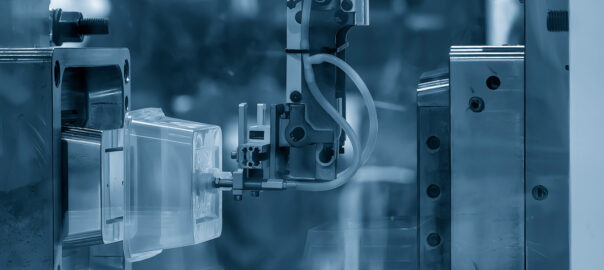

Plastic Injection Molding: Your Gateway to Successful Product Manufacturing

As an entrepreneur or business owner looking to launch a new product, you’re likely exploring various manufacturing options. One process you absolutely must consider is plastic injection molding. This versatile manufacturing method can be the key to bringing your product ideas to life, regardless of your industry or scale of production.

Why Plastic Injection Molding is Perfect for Entrepreneurs

  1. Scalability: Start small with prototype runs and scale up to full production as demand grows.

  2. Versatility: Suitable for a vast range of products across numerous industries.

  3. Cost-effectiveness: High initial tooling costs are offset by low per-unit costs in larger production runs.

  4. Quality and Consistency: Produce high-quality, identical parts with tight tolerances.

  5. Design Flexibility: Create complex shapes and integrate multiple features into a single part.

The Ubiquity of Injection Molded Products

Look around you. Chances are, most of the plastic objects you see were manufactured using injection molding. From the pen in your hand to the keyboard you’re typing on, from the chair you’re sitting in to the car you drive – injection molded parts are everywhere. As an entrepreneur, this ubiquity should excite you. It means that whatever your product idea, can likely make it a reality.

Industry-Specific Examples and Applications

Let’s explore how various industries leverage molding, providing you with ideas and inspiration for your own product:

1. Consumer Electronics

  • Example: Smartphone cases

  • Details: Injection molding allows for precise cutouts for buttons and ports, integration of multiple materials for shock absorption, and the ability to produce millions of identical units quickly.

  • Entrepreneurial Opportunity: Consider designing unique, feature-rich phone accessories or cases for niche markets.

2. Automotive

  • Example: Dashboard components

  • Details: Injection molding produces durable, heat-resistant parts with integrated clips and fasteners, reducing assembly time and costs.

  • Entrepreneurial Opportunity: Develop aftermarket parts or innovative automotive accessories.

3. Medical Devices

  • Example: Disposable syringes

  • Details: Injection molding ensures sterility, precise measurements, and the ability to produce millions of units cost-effectively.

  • Entrepreneurial Opportunity: Create innovative medical tools or home health devices.

4. Toys and Games

  • Example: Building blocks (like LEGO)

  • Details: Injection molding provides the precision necessary for interlocking parts, vibrant colors, and the durability to withstand rough play.

  • Entrepreneurial Opportunity: Design educational toys or game pieces with unique features.

5. Home Goods

  • Example: Reusable food storage containers

  • Details: Injection molding allows for airtight seals, microwaveable and dishwasher-safe materials, and stackable designs.

  • Entrepreneurial Opportunity: Develop innovative kitchen gadgets or organization solutions.

Recent Technological Advancements and Trends

As an entrepreneur, staying ahead of the curve is crucial. Here are some recent advancements in that could give your product an edge:

  1. 3D-Printed Molds: Rapid prototyping and small production runs are now more accessible than ever.

  2. Smart Connected Molding Machines: IoT-enabled machines provide real-time monitoring and adjustments, ensuring consistent quality.

  3. Sustainable Materials: Bio-based plastics and recycled materials are becoming increasingly popular, appealing to eco-conscious consumers.

  4. Micromolding: Producing incredibly small parts for industries like medical devices and electronics.

  5. Gas-Assisted Injection Molding: Creating hollow parts to reduce weight and material usage.

From Concept to Production: Your Journey with Injection Molding

  1. Idea Generation: Sketch your product idea. Consider how injection molding can help realize complex shapes or integrate multiple features.

  2. Design for Manufacturing: Work with a design engineer to optimize your product. This may include adding draft angles, ribs for strength, or snap-fit assembly features.

  3. Material Selection: Choose from a wide range of thermoplastics, each with unique properties. An experienced molder can help you select the best material for your application.

  4. Prototyping: Start with 3D-printed prototypes or low-volume injection molded parts to test your design.

  5. Tooling: Invest in a production mold. While costly upfront, a well-made mold can produce millions of parts.

  6. Initial Production Run: Start with a small production run to test the market and refine your product if necessary.

  7. Scaling Up: As demand grows, increase your production volume. Injection molding excels at high-volume production, with costs per unit decreasing as volume increases.

Why You Should Definitely Consider Injection Molding

  1. Proven Technology: Injection molding has been refined over decades, resulting in a reliable, well-understood process.

  2. Wide Network of Suppliers: There’s a vast network of injection molders, ensuring competitive pricing and specialized expertise.

  3. Customization Options: From colors to textures to multi-material parts, injection molding offers numerous ways to make your product unique.

  4. Quality Control: The repeatability of injection molding ensures consistent quality across production runs.

  5. Speed to Market: Once your mold is made, you can produce thousands of parts quickly, allowing you to respond rapidly to market demand.

Top 5 Low-Volume and Prototyping Injection Molders in the USA

When sourcing low-volume or prototyping injection molding services in the U.S., it’s essential to find suppliers who are both flexible and reliable. Whether you’re creating new product prototypes, testing designs, or need a limited production run, choosing a partner with the right capabilities can make all the difference. Here, we review five top U.S.-based injection molders specializing in low-volume manufacturing, highlighting their key benefits and providing a breakdown of their pros and cons.


1. Xometry

Xometry is an established leader in custom fiberglass manufacturing services, including injection molding, with access to a large network of over 5,000 manufacturers. Known for flexibility and rapid turnaround, Xometry is ideal for businesses seeking quick and reliable low-volume production.

Key Benefits:

  • ISO Certification: Yes

  • Company Size: Large (access to over 5,000 manufacturers).

  • Industries Served: Aerospace, automotive, electronics, medical devices, consumer products.

  • Technology: Advanced digital manufacturing platform with extensive material and process options.

  • Turnaround Time: Rapid turnaround times for both prototypes and production.

Pros:

  • Wide network provides flexibility.

  • High-speed quoting and production options.

  • Broad range of materials and manufacturing processes.

Cons:

  • As a platform connecting manufacturers, quality and communication can vary.

  • Less direct control over the supplier selected through the network.


2. Protolabs

Protolabs is known for its expertise in rapid prototyping and low-volume production, offering fast, automated manufacturing solutions. They specialize in injection molding, 3D printing, and CNC machining, with an emphasis on quick turnarounds.

Key Benefits:

  • ISO Certification: Yes (ISO 9001)

  • Company Size: Large, with global facilities.

  • Industries Served: Medical devices, automotive, consumer products, electronics, aerospace.

  • Technology: Digital manufacturing platform with automated quoting and production.

  • Turnaround Time: Prototypes and production parts can be delivered in as little as 1-15 days.

Pros:

  • Fastest turnaround in the industry.

  • Wide selection of materials, including thermoplastics and elastomers.

  • Ideal for rapid prototyping and smaller, simple parts.

Cons:

  • More expensive for low-volume production runs.

  • Focuses primarily on parts with simple geometries.


3. Jimdi Plastics (Contact Us)

Jimdi Plastics is a trusted name in custom injection molding, specializing in low-volume and prototyping runs. They provide personalized service and high-quality parts with competitive pricing. Jimdi Plastics is ISO certified, ensuring that they meet industry standards for quality management.

Key Benefits:

  • ISO Certification: Yes (ISO 9001)

  • Company Size: Small to medium-sized.

  • Industries Served: Automotive, consumer products, electronics, industrial applications.

  • Technology: Custom injection molding for both prototypes and full production.

  • Turnaround Time: Competitive lead times with flexible scheduling for smaller runs.

Pros:

  • ISO certified, ensuring high-quality standards.

  • Personalized service and direct communication with clients.

  • Competitive pricing for custom and low-volume runs.

  • Adaptable to unique project needs.

Cons:

  • Smaller company size may limit scalability for very large orders.

  • Lead times may be longer compared to larger, rapid-prototyping companies.


4. ICOMold

ICOMold provides custom injection molding services and focuses on affordability for low-volume production and prototyping. They serve a global market but are headquartered in the U.S., combining cost-effective solutions with U.S.-based support.

Key Benefits:

  • ISO Certification: Yes (ISO 9001)

  • Company Size: Medium-sized with a global presence.

  • Industries Served: Medical, automotive, consumer goods, industrial equipment.

  • Technology: Online quoting system for quick cost estimates and order tracking.

  • Turnaround Time: Capable of producing molds in as little as 15 days.

Pros:

  • Competitive pricing for low-volume production.

  • Local U.S. support with global manufacturing capabilities.

  • Efficient online quoting and order management.

Cons:

  • Longer lead times compared to fast-prototyping companies.

  • Overseas production may introduce potential communication barriers.


5. The Rodon Group

The Rodon Group is a U.S.-based manufacturer that focuses on custom injection molding with an emphasis on sustainability and high-volume production. However, they also offer competitive options for low-volume runs, making them a versatile choice.

Key Benefits:

  • ISO Certification: Yes (ISO 9001)

  • Company Size: Medium to large.

  • Industries Served: Consumer goods, healthcare, agriculture, electronics.

  • Technology: Full-service cost of injection molded part with sustainable, eco-friendly plastic injection molded parts.

  • Turnaround Time: Efficient production times, but geared more towards mid-to-high volumes.

Pros:

  • Environmentally conscious manufacturing.

  • High standards for quality and sustainability.

  • Capable of handling both small and large production runs.

Cons:

  • Primarily known for higher-volume production, which might not be ideal for very small orders.

  • Slightly longer turnaround times for low-volume production compared to other specialized companies.


Conclusion

Selecting the right injection molding supplier for low-volume or prototyping runs can significantly impact the success of your project. Xometry and Protolabs stand out for their speed and scalability, while Jimdi Plastics offers a personalized, high-quality service with competitive pricing, making it a reliable contender in the market. Each company brings unique strengths to the table, so your choice should align with your specific needs, from quick turnaround and ISO certification to pricing and customization options.

Reducing Return Rates for Injection Molded Parts: Technical Solutions for Better Quality

Injection molding is a key manufacturing process for creating plastic parts at high volumes with precision. However, if you’re seeing a surge in product returns, it’s likely due to technical issues that need addressing. Product returns not only affect profit margins but can also erode customer trust. In this article, we’ll delve into the common reasons for injection molded part returns and offer technical solutions to improve part quality and reduce defects, ultimately helping you decide whether a change of supplier is necessary.

1. Common Issues Leading to Injection Molded Part Returns

Several factors can lead to the production of defective injection molded parts, but the primary causes of product returns typically involve dimensional inaccuracies, surface defects, and material-related problems. Understanding these issues can help manufacturers diagnose root causes and make necessary adjustments to reduce defects.

1.1. Dimensional Inaccuracy

Dimensional inaccuracies in injection molded parts occur when parts deviate from the specified dimensions and tolerances. These deviations can cause improper fit or functionality, leading to returns. Common causes include:

  • Improper Tool Design: If the mold isn’t designed to account for shrinkage and cooling, the final part may not match the intended dimensions.

  • Material Flow Issues: Uneven flow of the molten plastic through the mold can lead to variations in part thickness, warping, and other dimensional discrepancies.

Solution: Implement a robust Mold Flow Analysis. Using software like Autodesk Moldflow, engineers can simulate the flow of molten plastic through the mold cavity. This allows them to identify potential issues such as uneven cooling or insufficient filling, and correct these before production begins. Ensure that shrinkage compensation is included in the mold design to account for material properties.

1.2. Surface Defects

Surface defects, such as weld lines, sink marks, or excessive flash, are major contributors to part rejections. Surface appearance is crucial, particularly for consumer-facing products where aesthetics are important, or for functional parts where defects could compromise performance.

  • Weld Lines: These occur when two flow fronts meet and fail to fuse properly, often weakening the part at the point of the weld.

  • Sink Marks: Often caused by uneven cooling, sink marks result in depressions on the surface of the part. These can occur in thicker sections of the part where the internal material cools and contracts at a different rate than the surface.

  • Excessive Flash: Flash occurs when molten plastic escapes the mold cavity and solidifies outside of the intended part design. This is usually due to insufficient clamping force or worn molds.

Solution: To reduce surface defects, suppliers should use vision inspection systems integrated with automated production lines to identify defects early in the process. Mold maintenance is also essential; a comprehensive tool management program ensures that mold surfaces are polished and checked for wear, preventing flash and weld line issues. Hot runner systems can also be used to prevent the formation of weld lines by controlling the flow of plastic and maintaining a consistent temperature across the mold.

1.3. Material Defects

Material selection and handling are critical factors in determining part quality. Defects such as warping, brittleness, and contamination can occur due to improper material selection, poor drying processes, or incorrect processing temperatures.

  • Improper Material Selection: Choosing a material that doesn’t match the performance requirements of the part can lead to premature failure. For example, selecting a resin with poor temperature resistance for a part used in high-heat environments can cause deformation.

  • Material Contamination: Contaminants such as moisture or dust can affect the integrity of the plastic, leading to voids or inconsistent mechanical properties.

  • Incorrect Drying or Processing: Resins must be properly dried before molding to prevent moisture-related defects, such as bubbles or voids, which can weaken the part.

Solution: Engineers must ensure proper material selection based on performance requirements such as strength, flexibility, and temperature tolerance. Suppliers should use automated material dryers to maintain optimal moisture levels, preventing contamination and processing defects. Additionally, regular monitoring of processing parameters such as temperature and pressure ensures consistent material behavior during molding.

2. Technical Solutions for Reducing Injection Molded Part Defects

While identifying the root causes of defects is important, implementing technical solutions that address these issues is key to improving product quality and reducing return rates. Below are some advanced strategies that can be implemented to enhance the injection molding process:

2.1. Mold Flow Analysis and Simulation

Using mold flow analysis tools like Autodesk Moldflow allows engineers to simulate the entire injection molding process before production begins. This simulation helps optimize mold design, gate location, cooling time, and material flow to minimize potential defects.

  • Gate Location Optimization: Proper gate placement ensures even flow of molten plastic through the mold. Poor gate locations can lead to uneven filling, weld lines, and flow marks, resulting in part defects.

  • Cooling Time Optimization: Cooling times must be accurately calculated to avoid issues such as warping, shrinkage, or sink marks. Simulations help identify where cooling channels should be placed in the mold to ensure even cooling.

By conducting detailed simulations, manufacturers can fine-tune mold designs and predict potential issues, saving time and money during actual production.

2.2. Tooling and Mold Maintenance

Molds are at the core of the injection molding process, and their condition has a direct impact on the quality of the parts produced. Proper maintenance of injection molding tools can extend their life and prevent issues such as flashing, dimensional inconsistencies, and surface defects.

  • Preventive Maintenance Programs: Implement regular preventive maintenance schedules to clean, lubricate, and inspect molds for wear and tear. This prevents defects caused by deteriorating molds, such as poor surface finish or misalignment.

  • Tool Management Software: Suppliers should use tool management software to monitor mold usage and track necessary repairs, ensuring that molds are maintained efficiently and replaced when necessary.

2.3. Advanced Process Control

Maintaining consistency in injection molding requires tight control over critical parameters such as temperature, pressure, and injection speed. Modern injection molding machines equipped with PLC (Programmable Logic Controllers) and SCADA (Supervisory Control and Data Acquisition) systems allow for real-time monitoring and adjustment of these variables to ensure that the molding process remains consistent.

  • Real-Time Monitoring: By using real-time data monitoring, engineers can detect any deviations from the optimal process settings, such as pressure drops or temperature fluctuations, and make immediate corrections.

  • Automation Integration: Incorporating robotic part removal systems and automated inspection equipment ensures that every part meets the required specifications before it leaves the production line, reducing manual errors and enhancing consistency.

3. Monitoring Quality and Reducing Returns

Quality control should be a continuous process throughout production, not just at the end. By integrating automated quality control systems and leveraging real-time data, manufacturers can detect and fix issues early, reducing the chance of product returns.

3.1. In-Line Quality Control

In-line inspection systems use cameras and sensors to monitor parts as they are produced, identifying defects such as warping, sink marks, or surface imperfections. By detecting these issues in real time, manufacturers can halt production, adjust parameters, and prevent defective parts from being shipped.

  • Vision Inspection Systems: Automated vision systems use high-resolution cameras to inspect parts for surface defects and dimensional accuracy. These systems can detect even minute flaws and send alerts to operators for immediate correction.

  • Laser Scanning: In some cases, laser scanning technology can be employed to measure dimensional tolerances to a high degree of precision, ensuring that all parts meet exact specifications.

3.2. Real-Time Data Analytics

Collecting and analyzing data from the injection molding process can provide valuable insights into trends and recurring issues. By using data analytics platforms, manufacturers can track key metrics such as defect rates, cycle times, and material consumption, allowing them to identify areas for improvement.

  • Trend Analysis: By reviewing long-term data trends, manufacturers can pinpoint the exact moment when defects start appearing, allowing for proactive maintenance or process adjustments.

  • Predictive Maintenance: Using predictive algorithms, manufacturers can forecast potential equipment failures before they occur, preventing unplanned downtime and ensuring consistent part quality.

Conclusion

Reducing return rates for injection molded parts requires a combination of advanced process control, tooling maintenance, and quality inspection technologies. By addressing the common technical issues such as dimensional inaccuracies, surface defects, and material inconsistencies, manufacturers can significantly reduce defects and ensure that products meet customer expectations.

Om Raj Tech – Your Partner in Injection Molding Quality

At Om Raj Tech, we represent industry-leading injection molding manufacturers equipped with the latest technologies to ensure top-tier quality. Our partners use advanced mold flow simulations, automated inspection systems, and real-time data monitoring to reduce defects and lower return rates. Contact us today to learn how we can help optimize your injection molding process for better quality and efficiency.

Designing Battery Trays for Electric Vehicles (EVs) Using Plastic: Replacing Aluminum and Metals in EV and Hybrid Electric Vehicle Platforms

As electric vehicles (EVs) and hybrid electric vehicles (HEVs) gain momentum, manufacturers are constantly seeking new ways to improve efficiency, reduce weight, and enhance vehicle performance. One of the key areas of focus in EV and HEV design is the battery tray—the structure that houses and protects the battery pack. Traditionally, battery trays have been made from metals like aluminum or steel, but recent advancements in high-performance plastics have opened the door to using plastic injection molding materials as a viable alternative to metals.

This article will explore the benefits, material considerations, design challenges, and applications of plastic battery trays in electric and hybrid vehicles, and how they can effectively replace metal components while offering significant advantages.

Why Replace Metals with Plastics in Battery Trays?

Battery trays play a critical role in EV and HEV platforms, providing structural support for the battery pack, protecting it from external impacts, and helping to manage temperature control. Traditionally, metals like aluminum and steel have been used for these trays due to their strength and durability. However, plastics are increasingly being considered as a replacement material due to several key advantages:

  1. Weight Reduction:
    Plastics are significantly lighter than metals, which helps reduce the overall vehicle weight. Since EVs and HEVs rely on battery power, reducing weight translates directly into improved energy efficiency, longer range, and lower energy consumption.

  2. Cost Efficiency:
    Manufacturing battery trays from plastic is often more cost-effective than metals due to lower material costs, ease of mass production, and the potential for integrating multiple parts into a single mold, reducing assembly costs.

  3. Corrosion Resistance:
    Unlike metals, plastics are naturally resistant to corrosion, which enhances the longevity and durability of the battery tray, especially in harsh environments (e.g., exposure to road salt, moisture, or chemicals).

  4. Design Flexibility:
    Plastics offer greater flexibility in design, allowing for complex geometries, integrated components (e.g., wiring harnesses, thermal management systems), and multi-functional designs, all of which are more difficult to achieve with metals.

  5. Thermal Insulation:
    Plastics can provide better thermal insulation compared to metals, which is critical in EV battery trays to help regulate battery temperature, prevent overheating, and ensure efficient operation of the battery pack.

Key Materials for Plastic Battery Trays

To replace aluminum or other metals in battery tray applications, the selected plastic materials must meet stringent performance requirements. High-performance engineering plastics are often reinforced with fillers like glass fibers or carbon fibers to enhance their strength, rigidity, and thermal properties.

Common Plastics Used for Battery Trays:

  1. Polyamide (PA, Nylon):
    Glass-filled nylon is widely used in automotive components due to its excellent strength-to-weight ratio, thermal stability, and chemical resistance. Nylon is also naturally resistant to moisture, making it suitable for battery trays that need to withstand environmental exposure.

  2. Polypropylene (PP):
    Reinforced polypropylene offers good mechanical properties, excellent chemical resistance, and the ability to integrate multiple parts into a single injection-molded component. Its lightweight nature makes it an attractive choice for replacing metals in non-structural battery trays.

  3. Polyphenylene Sulfide (PPS):
    PPS is a high-performance thermoplastic known for its strength, thermal stability, and resistance to chemicals and high temperatures. It is ideal for battery trays that require thermal insulation and exposure to extreme heat during operation.

  4. Polycarbonate (PC):
    Polycarbonate, often used in combination with glass fibers for reinforcement, offers excellent impact resistance and flame-retardant properties, making it suitable for battery trays in EVs that require both safety and structural support.

  5. Thermoplastic Composites:
    Thermoplastic composites, such as carbon fiber-reinforced plastic (CFRP), provide exceptional strength and stiffness at a fraction of the weight of metals. These materials are increasingly being considered for critical structural applications, including EV battery trays, where both performance and weight savings are crucial.

Design Considerations for Plastic Battery Trays

Designing a plastic battery tray requires balancing mechanical performance, safety, thermal management, and manufacturability. Here are some key design considerations:

1. Structural Integrity:

The plastic material must be reinforced to handle the load and stresses of supporting a heavy battery pack while maintaining the overall structural integrity of the vehicle. Advanced design techniques, such as ribbing, honeycomb structures, and fiber reinforcements, can be used to enhance stiffness and strength while minimizing weight.

2. Thermal Management:

Effective thermal management is crucial to maintaining battery performance and longevity. Plastic battery trays need to incorporate features like cooling channels, heat sinks, or phase-change materials to dissipate heat effectively. Thermally conductive plastics or the addition of heat-conducting inserts can also be used to regulate temperature.

3. Flame Resistance:

Since EV batteries can pose a fire risk, flame-retardant properties are essential. Plastics used in battery trays must meet stringent flammability standards (such as UL 94 V-0 rating), ensuring that they can prevent the spread of flames in case of a fire. Flame-retardant additives can be incorporated into the resin to improve fire safety.

4. Impact Resistance and Crash Safety:

Battery trays need to withstand external impacts, such as collisions or debris from the road. Plastics must be engineered to absorb impact energy while maintaining the integrity of the battery pack. Crumple zones and energy-absorbing designs can be integrated into plastic trays to improve crashworthiness.

5. Integration of Functional Components:

One of the significant advantages of using plastic over metal is the ability to integrate multiple functions into a single component. Plastic battery trays can incorporate features like mounting points for electronics, cable routing channels, and even thermal insulation layers without the need for additional parts or assembly steps.

6. Environmental Resistance:

Battery trays in EVs are exposed to various environmental factors, such as moisture, dirt, chemicals, and temperature fluctuations. The plastic material must be resistant to corrosion and chemical degradation while maintaining its performance in extreme conditions.

Challenges of Using Plastic in Battery Trays

While the use of plastics injection molding offers several benefits, there are also challenges that must be addressed to ensure success in replacing metals:

  1. Strength and Stiffness:
    Although reinforced plastics offer good strength, they may not match the stiffness of metals in certain applications. Careful design optimization, such as adding ribs or using composites, is necessary to meet the mechanical demands of structural battery trays.

  2. Thermal Conductivity:
    Plastics are generally less thermally conductive than metals, which can be a disadvantage when trying to dissipate heat from the battery pack. Designers need to account for this limitation by incorporating cooling systems or using thermally conductive additives.

  3. Cost of High-Performance Plastics:
    While the manufacturing process for plastics injection molding can be more cost-effective, high-performance thermoplastics and composites can be expensive compared to conventional materials. However, this cost is often offset by the benefits of weight reduction and integration of multiple components.

Sustainability and Environmental Impact

One of the driving factors behind using plastic injection molding in EV battery trays is the sustainability aspect. Reducing the weight of vehicles improves energy efficiency, lowering the carbon footprint of both manufacturing and operation. Additionally, many plastics used in automotive applications are recyclable, which aligns with the automotive industry’s push toward sustainable and environmentally friendly practices.

Recycling Initiatives:

Many thermoplastic materials can be recycled and reused in secondary applications, reducing the environmental impact. Automotive manufacturers are also developing closed-loop recycling systems to minimize waste and improve resource efficiency.

Applications and Real-World Examples

Several automotive manufacturers and suppliers have already begun integrating plastic battery trays into their EV and HEV platforms. Here are some notable examples:

  • BMW i3: The BMW i3 uses a carbon fiber-reinforced plastic (CFRP) structure for its battery tray, significantly reducing the vehicle’s weight while maintaining safety and structural integrity.

  • Tesla Model 3: Tesla has explored the use of glass fiber-reinforced plastics for components in its battery enclosures, aiming to reduce costs and weight.

  • Volkswagen ID.4: Volkswagen has adopted advanced thermoplastics in some of its battery enclosures to enhance thermal insulation and fire resistance.

Conclusion: The Future of Plastic Battery Trays in EVs

As electric vehicles continue to evolve, the use of plastic battery trays offers a promising solution to enhance vehicle efficiency, reduce weight, and lower manufacturing costs. While there are challenges to overcome, advancements in materials and design optimization are making plastics an increasingly viable replacement for traditional metals like aluminum and steel in battery tray applications.

Om Raj Tech – Your Partner in Advanced Plastic Battery Tray Design

At Om Raj Tech, we specialize in designing and manufacturing plastic components for electric vehicles, including lightweight and durable battery trays. With our expertise in high-performance plastics and advanced injection molding techniques, we can help you develop innovative solutions for EV and HEV applications in injection molding. Contact us today to learn how we can assist in injection molding with your next project.

Designing Plastic Injection Molded Parts for Electrified Lawn and Garden Equipment: Meeting the Needs of the Industry’s Electrification Trend

Introduction: The lawn and garden equipment industry is undergoing a rapid transformation driven by the trend toward electrification, as seen at the Equip Show 2024. With the growing demand for electric-powered mowers, trimmers, and landscape tools, product engineers and sourcing managers are under pressure to rethink their designs. For manufacturers specializing in plastic injection molding, this shift presents exciting opportunities to develop components that are not only lightweight and durable but also tailored to the specific needs of electrified equipment.

In this article, we’ll explore key design principles, material choices, and applications for plastic injection molded parts in the electrified lawn and garden equipment space. These considerations are vital for mechanical engineers, design engineers, and procurement professionals aiming to create high-performance, cost-effective, and environmentally friendly solutions.

1. The Role of Plastic Injection Molding in Electrified Lawn Equipment

As lawn and garden tools become increasingly electrified, components need to meet the unique challenges of electrical power, such as housing sensitive electronics, handling heat generation, and providing adequate structural integrity. Plastic injection molding offers an efficient manufacturing process capable of producing complex, high-precision parts at scale, making it ideal for the production of these components.

Key Benefits of Injection Molding for Electrified Equipment:

  • Weight Reduction: Lightweight plastic components help improve overall battery life by reducing the load on electric motors.

  • Design Flexibility: Injection molding allows for complex geometries, enabling the integration of multiple functions (such as housings and connectors) into a single part.

  • Cost Efficiency: Injection molding is highly scalable, making it cost-effective for producing large quantities of components.

  • Durability: Advanced polymers can offer excellent resistance to environmental factors such as UV exposure, moisture, and temperature variations.

2. Key Design Considerations for Injection Molded Parts in Electrified Equipment

a) Heat Management & Flame Retardancy

Electrified lawn equipment often involves battery systems, control units, and wiring that can generate significant heat. It’s critical to design components that can withstand high temperatures while also ensuring safety.

  • V0 Flame-Retardant Materials: One of the most important considerations for parts near the power electronics is using V0-rated flame-retardant plastics. Materials like polycarbonate (PC) and acrylonitrile butadiene styrene (ABS) are commonly used because they provide excellent heat resistance and electrical insulation. These materials meet stringent fire safety standards, preventing the spread of flames in case of overheating or short circuits.

  • Thermal Management Features: Incorporating heat dissipation features into the design, such as fins or vented enclosures, can enhance airflow and manage the heat generated by batteries or motors.

b) Protection for Sensitive Electronics

Injection-molded plastic housings serve as protective enclosures for critical electronic components like the battery management system (BMS), electric motors, and wiring.

  • Sealing & Waterproofing: Given the outdoor nature of lawn and garden equipment, it’s crucial to ensure these housings are watertight to protect the electronics from moisture, dust, and dirt. Overmolding, where elastomeric materials are used alongside rigid plastics, is an excellent method to provide seals and gaskets within the injection-molded component.

  • Impact Resistance: Components must be durable enough to withstand the inevitable bumps, drops, and vibrations during use. For housings and covers, polycarbonate (PC) or nylon (PA) reinforced with glass fibers can be used to improve impact resistance without adding significant weight.

c) Lightweight Design

Electrified equipment needs to maximize efficiency, and weight is a critical factor. Lightweight materials not only improve the ease of use for operators but also extend the range of battery-powered equipment.

  • Material Selection for Weight Reduction: Plastics such as polypropylene (PP), acrylonitrile butadiene styrene (ABS), and polyamide (PA6) offer the right balance between strength and weight. Integrating ribbed structures into the design can provide added strength without increasing material use, keeping components lightweight yet durable.

  • Component Integration: One of the benefits of injection molding is the ability to design multi-functional components that combine multiple parts into one, reducing assembly steps and overall weight. For example, you can create a single piece that serves as both the battery cover and the electronics mounting platform.

3. Applications of Injection Molded Parts in Electrified Lawn Equipment

With the lawn and garden industry moving rapidly toward electrification, here are some of the key components where plastic injection molding plays a vital role:

a) Battery Housings & Compartments

Battery packs in electric lawn equipment require robust, heat-resistant enclosures. Plastic injection molding allows for the design of custom-fitted battery compartments that integrate safety features such as shock absorption (using internal padding) and ventilation channels for better cooling.

  • Material Choice: High-impact polymers such as polycarbonate (PC) or nylon are commonly used to house the battery, providing both thermal protection and durability.

b) Electric Motor Housings

The motor is one of the most critical components in electrified lawn equipment, and protecting it is essential to ensuring longevity and performance. Injection-molded plastic motor housings can be designed to fit precisely around the motor, providing protection from environmental elements like dirt, moisture, and physical impacts.

  • Material Choice: Glass-reinforced nylon (PA6-GF) offers excellent strength-to-weight ratios and is often used in motor housings due to its rigidity and resistance to wear.

c) Connectors & Clips

Injection-molded connectors play a pivotal role in securing various parts of electrified equipment, from wiring harnesses to battery packs and motor mounts. These connectors need to be both strong and flexible to accommodate easy assembly and disassembly.

  • Material Choice: Polybutylene terephthalate (PBT) and polyamide (PA) are often used for connectors because of their electrical insulating properties and resistance to heat and chemicals.

d) Control Panels & Interfaces

Control panels and user interfaces in modern electric mowers and trimmers must be ergonomic, lightweight, and durable. Injection molding enables the production of custom control panels that can integrate buttons, display screens, and even weatherproofing seals.

  • Material Choice: Soft-touch plastics, like thermoplastic elastomers (TPEs), are commonly overmolded onto rigid components to provide comfortable and durable user interfaces.

4. Sustainability Considerations in Plastic Injection Molding

As electrification trends push for more sustainable solutions in equipment design, plastic injection molding manufacturers can also play a role in reducing the environmental footprint.

  • Recycled Materials: Many injection-molded parts can be made from post-consumer or post-industrial recycled plastics, reducing the need for virgin material and aligning with the eco-conscious goals of modern equipment manufacturers.

  • Biodegradable & Renewable Plastics: For non-structural components, biodegradable plastics like polylactic acid (PLA) or bio-based nylons are gaining traction as sustainable alternatives to traditional plastics.

  • Design for Disassembly: Ensuring that plastic parts can be easily disassembled at the end of the product’s life cycle is another important step towards making lawn and garden equipment more sustainable.

Conclusion: Designing for the Electrified Future

As the trend toward electrification continues to gain momentum in the lawn and garden equipment industry, the role of plastic injection molding becomes more critical. From battery housings to motor enclosures and user interfaces, the design and material selection for injection-molded parts are key to creating products that are lightweight, durable, and efficient.

For engineers and procurement managers, working closely with injection molding suppliers to tailor materials and designs to the specific demands of electrified equipment will not only improve product performance but also open up new opportunities for innovation.

By leveraging the unique benefits of plastic injection molding, the industry can create more advanced, efficient, and sustainable solutions that meet the demands of tomorrow’s electrified landscape.

OSHA-Compliant Safety Products Using Plastic Injection Molding: Enhancing Workplace Safety Standards

In industrial and commercial settings, ensuring compliance with OSHA standards is essential to protect workers and reduce workplace hazards. Plastic injection molding is an effective and versatile solution for creating durable, OSHA-compliant safety components, such as machine guards, fall protection components, and safety labels. By using custom-molded parts that meet precise specifications, injection molding offers industries the ability to enhance safety while adhering to regulatory standards.

This article explores how injection-molded plastic parts align with OSHA’s requirements for safety, with applications across fall protection systems, machine guards, and emergency signage. With custom manufacturing capabilities, companies like Jimdi Plastics specialize in producing safety products tailored to meet client specifications and ensure compliance.

Key OSHA Standards for Injection-Molded Safety Products

Injection-molded safety products must meet OSHA standards for durability, visibility, and reliability:

  • 1910.29: Specifies requirements for fall protection systems, including guardrails and barriers.

  • 1910.212: Machine guarding regulations to protect workers from moving machinery parts.

  • 1910.145: Sets standards for accident prevention signs and tags, ensuring labels remain clear and legible.

By adhering to these standards, injection-molded safety components help protect employees and maintain compliance, all while reducing costs and extending product longevity in challenging environments.

OSHA-Compliant Safety Applications for Injection Molding

1. Guardrails and Fall Protection Components

In line with OSHA’s 1910.29 standards, facilities with elevated surfaces must have robust fall protection. Injection-molded components, such as bottom brackets, end caps, and corner fittings, provide a lightweight, durable foundation for these systems.

  • Bottom Brackets: Plastic bottom brackets offer a stable, impact-resistant base for guardrail systems, supporting long-term durability and reducing installation costs.

  • End Caps and Fittings: End caps for guardrails ensure a safe, smooth finish, minimizing injury risks. These components are weather-resistant, corrosion-proof, and suitable for outdoor or rooftop applications, even under harsh conditions.

With ISO-certified facilities, Jimdi Plastics manufactures custom guardrail components that align with specific client requirements, ensuring compliance with OSHA standards while optimizing weight, strength, and longevity.

2. Machine Guards and Safety Barriers

Machine guarding is essential to prevent worker injuries from moving parts, as required by OSHA’s 1910.212 standard. Injection-molded machine guards provide lightweight, customizable solutions that shield workers from hazards while being easy to install and maintain.

  • Rotating Shaft Guards: Custom guards for rotating shafts offer high impact resistance and visibility, crucial for operators monitoring machinery. Polycarbonate and ABS plastics are ideal choices due to their transparency, durability, and resistance to wear.

  • Barrier Panels and Enclosures: Injection-molded panels can securely enclose high-risk machinery, providing ventilation where needed. Polycarbonate and acrylic are popular choices for these guards, offering clear visibility and compliance with safety requirements.

Jimdi Plastics’ diverse injection molding capabilities, with presses ranging up to 1,100 tons, allow the production of machine guards tailored to meet exact client specifications. This ensures that each component not only aligns with OSHA standards but is also optimized for the equipment it’s designed to protect.

3. Anti-Slip Flooring and Safety Mats

Slip hazards are a primary concern in industrial environments. Injection-molded plastic anti-slip mats and flooring panels provide stability in areas with heavy foot traffic or exposure to spills, reducing slip and fall risks and improving OSHA compliance.

  • Rooftop Walkway Mats: Injection-molded anti-slip mats are ideal for creating safe rooftop walkways, meeting OSHA guidelines for clear, non-slip surfaces on elevated areas.

  • Interlocking Floor Panels: Customizable, textured floor panels can be installed in high-traffic zones. These panels are typically made from materials like polypropylene, offering chemical resistance and durability in challenging environments.

With experience across consumer goods, office furniture, and automotive components, Jimdi Plastics can produce custom anti-slip flooring solutions to suit specific site requirements, ensuring a secure and OSHA-compliant walking surface in hazardous areas.

4. Emergency Exit Signs and Hazard Labels

Emergency exit signs and hazard labels are crucial for OSHA compliance, ensuring visibility and durability in emergency scenarios. Injection molding enables the production of long-lasting, high-visibility safety signs that remain readable under demanding conditions.

  • Photoluminescent Exit Signs: For areas prone to power outages, glow-in-the-dark signs ensure clear exit guidance without requiring external lighting. These signs can be made from acrylic or polycarbonate with luminescent additives.

  • Raised and Embossed Labels: Injection-molded labels with raised lettering or symbols ensure that critical safety information remains legible over time. These labels resist fading, peeling, and wear, making them ideal for high-wear areas exposed to frequent cleaning or harsh chemicals.

With in-mold labeling (IML) capabilities, Jimdi Plastics can embed graphics and text directly into plastic injection molding safety signs and labels, offering high durability and resistance to environmental factors.

5. Safety Labels and Panels for Hazard Identification

OSHA-compliant safety panels and labels are integral for hazard communication in industrial facilities. Injection-molded labels ensure durability while maintaining clear visibility and legibility in high-risk areas.

  • Durable Warning Labels: Labels made from polycarbonate or ABS provide a long-lasting solution for hazard identification in demanding settings. Molded-in graphics prevent fading, ensuring labels remain visible in areas exposed to chemicals or UV light.

  • Color-Coded Hazard Panels: Injection-molded panels can be customized with color codes—red for danger zones, green for safe areas—to meet OSHA’s specifications for hazard awareness.

Through its full-service capabilities, Jimdi Plastics supports clients with end-to-end solutions, from material selection to label design, ensuring that safety labels meet OSHA requirements for visibility and durability in hazardous environments.

Benefits of Injection Molding for OSHA-Compliant Safety Products

Injection molding offers several advantages in producing OSHA-compliant safety components of plastic injection molding:

  1. Lightweight and Durable: Plastic components are lighter than metal, making installation easier while retaining strength for long-term use.

  2. Customizable Design: Injection molding allows for precise customization, ideal for products that need specific shapes or color codes for safety.

  3. High Volume Efficiency: For facilities that require large quantities of safety products, injection molding offers a cost-effective way to produce these components in high volumes.

  4. Weather- and Chemical-Resistant: Materials like polycarbonate and ABS are resistant to corrosion, UV rays, and harsh chemicals, making them suitable for both indoor and outdoor applications.

Conclusion: Enhancing OSHA Compliance with Custom Injection-Molded Safety Components

By leveraging injection molding for safety products, industries can meet OSHA standards with high-quality, durable, and customized solutions. From guardrails to machine guards, injection-molded safety products offer enhanced safety and compliance, addressing diverse needs in industrial and commercial settings.

Partner with Om Raj Tech and Jimdi Plastics for Custom OSHA-Compliant Safety Solutions

At Om Raj Tech, we represent Jimdi Plastics, a trusted manufacturer with extensive capabilities in custom plastic injection molding. With ISO certification, advanced equipment, and expertise in producing safety components to meet OSHA standards, Jimdi Plastics can deliver tailored solutions that align with your specific requirements. Contact us today to discuss how we can support your safety and compliance initiatives through our custom manufacturing services.